I recently attended the Association for Mineral Exploration (AME) Roundup 2026, a mineral exploration conference held in Vancouver, Canada. The theme of this year’s conference was “Minerals for Tomorrow,” reflecting how Canadian mineral exploration supports jobs, talent development, entrepreneurship, and the broader Canadian economy.
The conference was excellent, featuring a wide range of technical, financial, and policy-focused presentations. According to AME, the event attracted more than 7,500 attendees.
My primary purpose in representing Artisanal Gold Enterprises (AGE) at AME was to establish a visible presence for the Artisanal and Small-Scale Gold Mining (ASGM) community within Canada’s mining ecosystem and to engage in meaningful networking. This was my first time attending AME from the perspective of the ASGM sector, and I paid close attention to discussions, events, and presentations related directly or indirectly to ASGM.
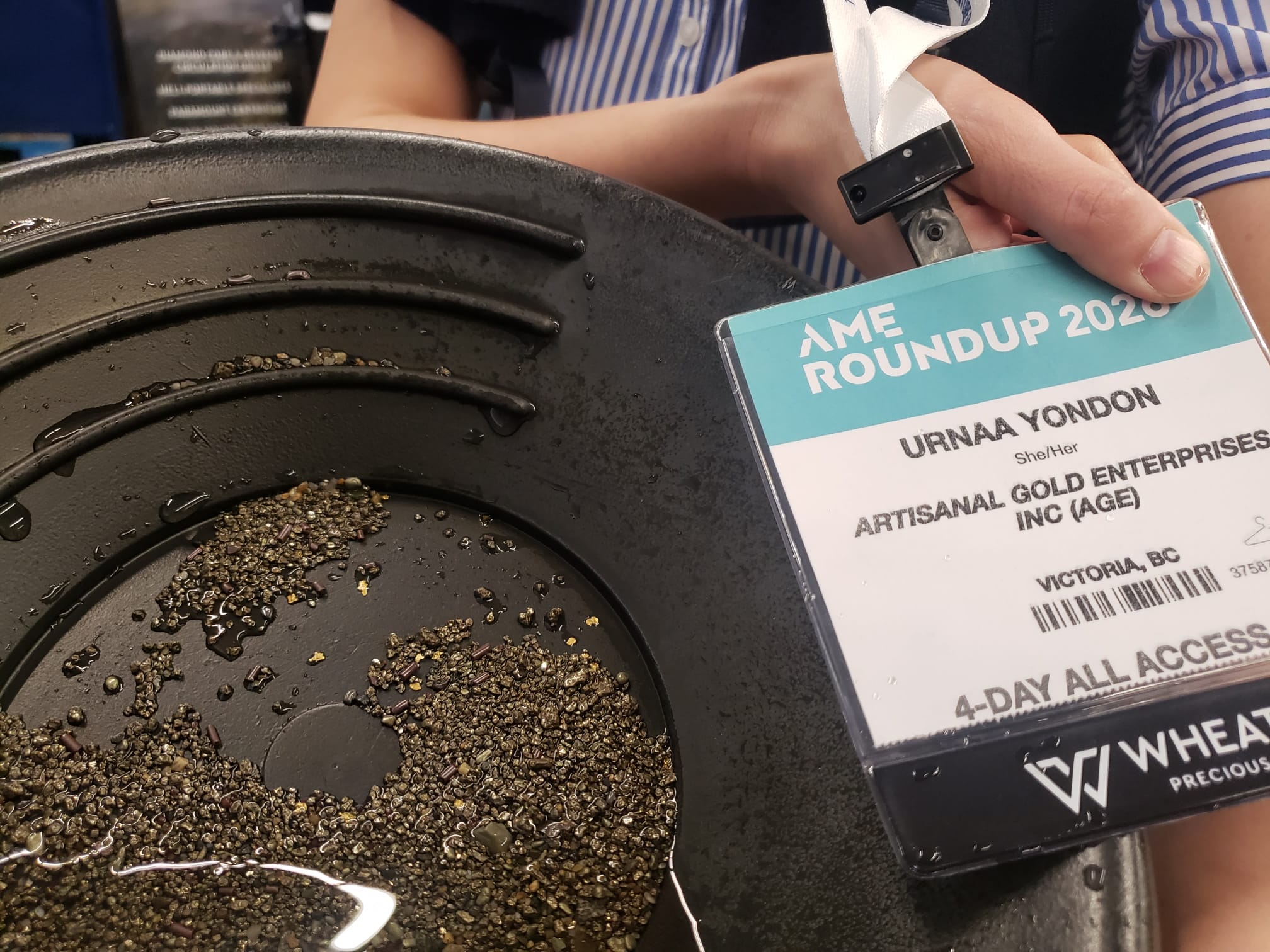
Surprisingly, there were very few representatives from the ASGM industry. This created the impression that Yukon is currently more proactive and visible in advancing ASGM activities in Canada. One notable example was Yukon Dan’s hands-on gold panning demonstrations (Figure 1), which attracted significant interest from attendees eager to learn how to pan for gold. The experience was both educational and illustrative of the hard work and dedication required to recover even a small amount of gold. Coming from a large-scale mining background, observing artisanal techniques firsthand was a powerful and reflective moment – an opportunity to pause, observe, and understand the nature of the ASGM sector and the nature of artisanal miners.
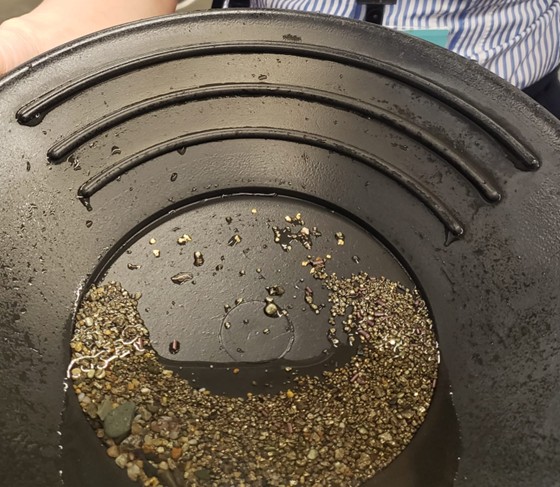
Figure 1. Participation of gold panning demonstration by Yukon Dan – “The Art of Gold Panning”
The Yukon Geological Survey was highly active in the exhibition hall, providing valuable insights into the impacts and revenues generated by the ASGM sector in the territory. Their participation was informative and encouraging, serving as a strong example of how and why ASGM should be integrated into the broader mining industry rather than treated as a separate or marginal activity.
Statistics presented by the Yukon Geological Survey (Figure 2) below show that between April 1, 2025, and January 1, 2026, a total of 89,033 ounces of gold production, valued at approximately $449 million, were reported from placer gold operations in the Yukon, Canada.
In comparison, up-to-date statistics for recent years are not available for British Columbia; however, 2017 figures reported 4,294 ounces of placer gold, with an estimated value of approximately $7 million, calculated using 2017 gold prices (BC Data Catalogue). In 2024, 1,635 placer claims were registered in BC; however, recent data on active sluicing operations, production, and revenue have not yet been published (BC Government – Mining and Critical Minerals).
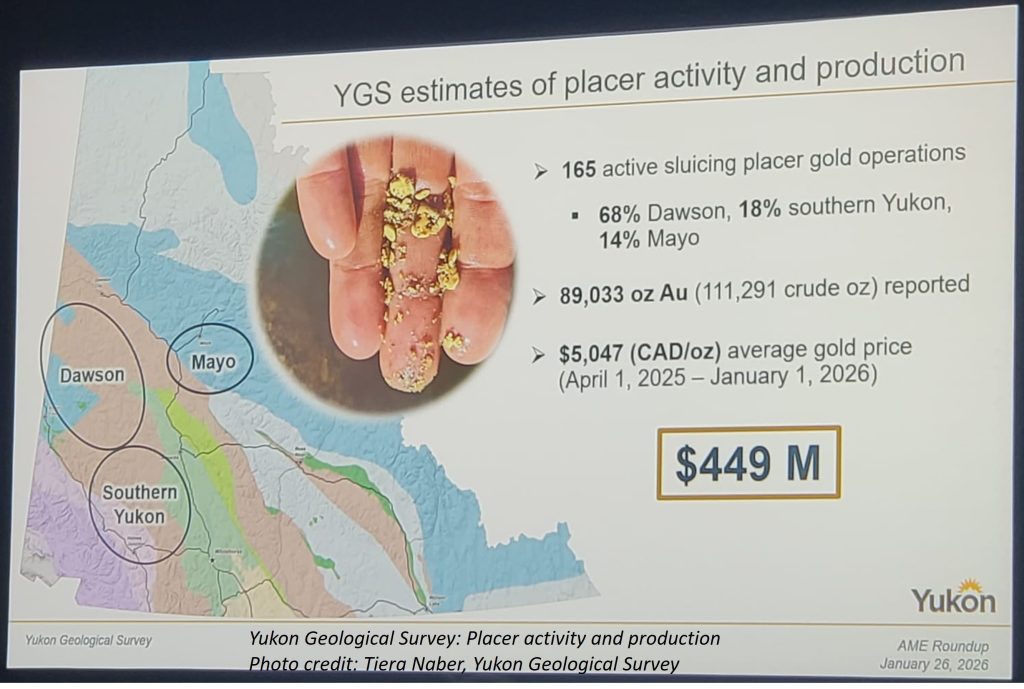
Figure 2. Yukon Geological Survey: Placer activity and production, Photo credit: Tiera Naber, Yukon Geological Survey
When comparing BC and Yukon in terms of placer gold activity, claim registration processes, production, and revenue, it is clear that Yukon’s ASGM sector is more advanced and consequently delivers more revenue and development to local economies.
This difference may be partly attributed to British Columbia’s revised mineral and placer claim framework, implemented on March 25, 2025. Under the new requirements, claims are no longer automatically registered upon application. Instead, Crown consultation with First Nations is required before the Chief Gold Commissioner makes a decision on claim registration. While individuals and companies can still apply and register claims online, Indigenous consultation now occurs prior to registration and final decision-making.
BC Premier David Eby’s recent announcement at the AME Roundup 2026 to shorten the mineral claims consultation framework days may help encourage participation from individuals and companies.
In terms of costs, placer mining remains relatively accessible for individual miners compared to corporations. Typical expenses include a Free Miner Certificate ($25/year), registration and application fees ($5/ha), annual maintenance fees ($20/ha/year) or cash-in-lieu payments ($40/ha/year), in addition to permitting and water authorization fees (BC Government – Minerals and Placer Claims) still remain same for the individuals.
Conversations at AME highlighted to me the gap in understanding that still exists between large-scale mining and ASGM. In candid conversations that I participated in with gold exploration geologists with experience in countries where ASGM is well established, who expressed concern over environmental damage and shared the strong comment that the only solution to resolve this is a decrease in gold price. Additionally, representatives from large-scale mining policy and advocacy groups stated that ASGM is not considered part of the mining, particularly anything related to the large-scale mining (LSM), as the two operate under different mindsets and regulatory frameworks. While there was some openness to collaboration, genuine intent, particularly in BC, appeared limited.
The lack of interest in ASGM issues left a representative of an African country with extensive ASGM production disappointed. “The conference is not for us,” he remarked. The delegate, who is based in Canada, had hoped to connect with companies offering technology and innovation for gold refining. Fortunately, AGE has this expertise and so this bit of networking was successful.
The Yukon provides an example of how large-scale mining and ASGM can coexist and deliver benefits to society and mining companies. It also demonstrates that government and policy support are essential to the success of ASGM, just as they are for the large-scale sector.
In conclusion, my takeaway was that as ASGM sector representatives and companies, we must continue to actively participate in the broader mining ecosystem. I left this year’s AME with a reinforced sense of purpose aligned with Artisanal Gold Enterprises’ (AGE) mission and motto: “Engage & Improve.” This engagement—both within the ASGM ecosystem and externally—is essential to ensuring that ASGM is recognized as a legitimate and integral part of the mining industry.
At AGE, we are actively contributing to the professionalization and business development of the ASGM sector at both national and global contexts.